If you are picturing waterfront living as something rare and hard to find on the Peninsula, Foster City may surprise you. Life here is shaped by lagoons, levee paths, park access, and everyday views of the water, but it still feels practical and connected to the rest of San Mateo County. If you are wondering what it is actually like to live on the water in Foster City, this guide will help you understand the lifestyle, the setting, and the details worth knowing before you buy. Let’s dive in.
Foster City’s Waterfront Feel
Foster City is a planned community built in the 1960s on former Brewer’s Island, positioned between San Francisco and San Jose along the western shoreline of San Francisco Bay. What makes it stand out is how deeply water is built into the layout of the city. Instead of just a few shoreline homes, you will find a broad network of waterways, parks, and paths woven into daily life.
At the center is a 200-acre artificial lagoon that runs through residential areas. On the west side, Marina Lagoon adds another water edge, while the outer edge of the city transitions to Belmont Slough and the Bay Trail. In practical terms, that creates three distinct waterfront experiences: lagoon-front living, bay-edge scenery, and public park access.
Three Ways to Experience the Water
Lagoon-front neighborhoods
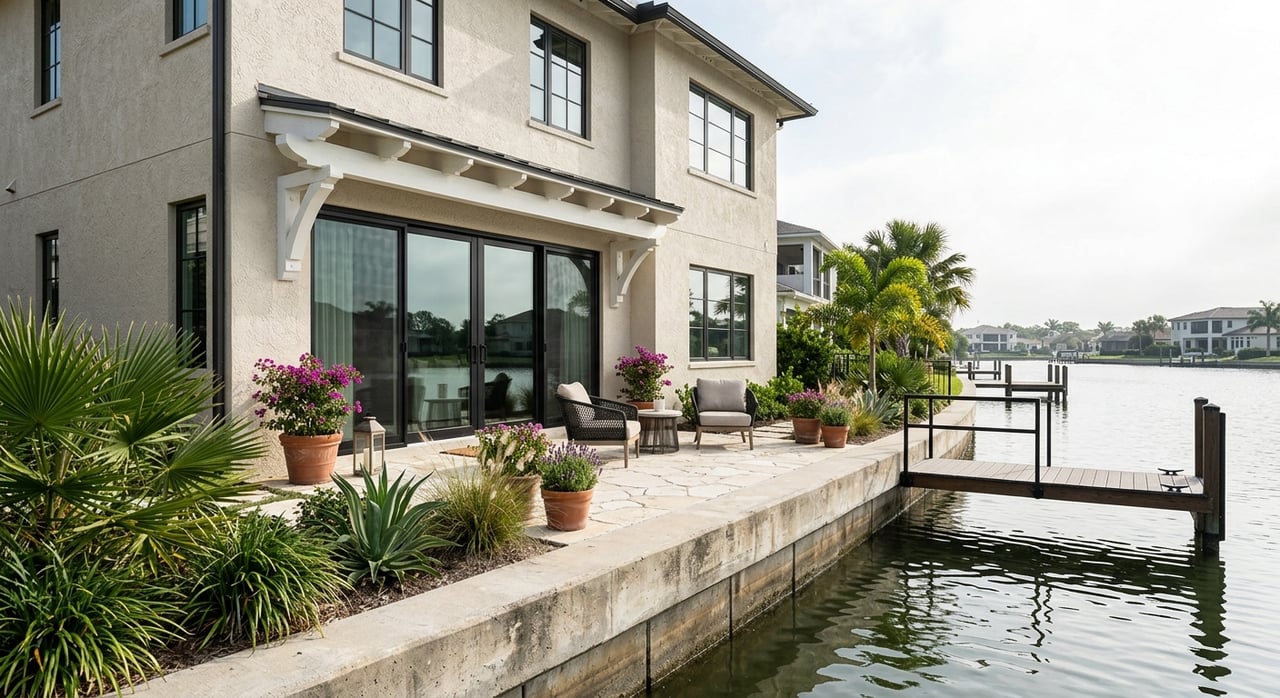
The interior lagoon is the most recognizable part of Foster City’s waterfront identity. Homes along these stretches often enjoy direct water views and a setting that feels calm, open, and unusually connected to the outdoors for a suburban location. The lagoon is also functional infrastructure, serving as recreation space and stormwater management.
This means the water is not just decorative. It is a visible, active part of the city that shapes how many blocks look and feel. If you want a home where the view changes with the light and the weather, lagoon-front areas offer that kind of daily experience.
Bay-edge trails and marsh views
The outer edges of Foster City offer a different kind of waterfront setting. Along the levee and Bay Trail connections, the scenery shifts from neighborhood lagoon views to wider bay-edge and marsh landscapes. These areas feel more open and natural, with long sightlines and space for walking, riding, or simply taking in the shoreline.
For many buyers, this is part of the appeal. You get water access and a coastal atmosphere without feeling fully exposed to open-bay living. It is a more managed environment, but still one that keeps the Bay close to your everyday routine.
Park-based public access
Not every waterfront experience in Foster City depends on owning a home directly on the water. The city’s parks create easy public access to the lagoon and shoreline areas, which broadens the lifestyle beyond just a few streets. That makes the water feel like a community asset, not a private feature reserved for a small number of properties.
Leo J. Ryan Memorial Park, Catamaran Park, Marlin Park, and Baywinds Park each bring a different angle to waterfront life. Together, they help explain why Foster City feels so water-centered from day to day.
What Daily Life Looks Like
One of the biggest questions buyers ask is simple: can you actually use the water? In Foster City, the answer is yes. The lagoon supports sailing, kayaking, paddleboarding, swimming, and other low-impact boating activities.
This is not a fast-boat environment. Gas and diesel boats are prohibited, and the speed limit on the lagoon is 5 mph. That gives the water a quieter, more relaxed character that fits the residential setting.
The city also makes access relatively easy. There are two boat ramps, located at Boat Park and Leo Ryan Park. At Leo Ryan Park, concessions offer windsurfing lessons and rentals for pedal boats, kayaks, and stand-up paddleboards.
Edgewater Marine adds another option with Duffy electric boat rentals and maintenance services. All of that reinforces the same idea: waterfront living in Foster City is active, but it is designed around calm, low-speed recreation rather than heavy marine traffic.
Parks Shape the Lifestyle
Foster City reports more than 160 acres of park and open space along with more than 200 acres of waterways. That balance is a major reason the community feels so tied to the water. Even if you are not launching a kayak every weekend, you are likely to interact with the waterfront through parks, paths, and open views.
Leo Ryan Park
Leo J. Ryan Memorial Park is one of the city’s best-known gathering spaces. It offers 20 acres of lawn, lagoon access, a gazebo on the lagoon, and boathouse rentals. It is the kind of place where the waterfront becomes part of everyday routines, from casual walks to community events.
Catamaran Park
Catamaran Park offers lagoon-side walking areas with downtown views, plus picnic areas, tennis, volleyball, and playground amenities. It blends recreation and scenery in a way that makes the water feel integrated into normal neighborhood life.
Marlin Park and Baywinds Park
Marlin Park adds a sandy beach, lawn, and picnic area, which gives part of Foster City a more beach-like feel. Baywinds Park sits on the levee and offers broad views along with bike-path access. If you want variety in how you experience the waterfront, these parks add a lot.
The Levee Pedway Matters
For many residents, the Levee Pedway is one of the most practical parts of living near the water. The city describes it as a paved multi-use path suitable for walking, running, bicycling, skating, strollers, and loop rides. It also connects easily to neighborhoods and ties into Bay Trail routes toward Redwood Shores and San Mateo bayside parks.
In day-to-day life, this means the waterfront is not something you visit once in a while. It can become part of your routine, whether that is a morning run, an after-dinner walk, or a weekend bike ride. That steady access is a big part of what makes Foster City’s waterfront lifestyle feel livable rather than just scenic.
Community Events by the Water
The waterfront also acts as a backdrop for community programming. Foster City Parks and Recreation highlights events such as outdoor movie night at Leo Ryan Park, the Summer Concert Series, a Community Bike Ride along the levee-pedway, and the annual Fourth of July celebration. These events help turn the shoreline and lagoon areas into shared gathering spaces.
That community layer matters if you are relocating and trying to picture daily life beyond the house itself. In Foster City, the water is not just a view. It is part of how public spaces are used and how neighbors often come together.
What Buyers Should Know
Waterfront living in Foster City comes with lifestyle benefits, but it also comes with a more managed environment than some buyers expect. That is not a negative. It is simply part of understanding how the city works.
Flood and levee context
The city describes the lagoon as a drainage detention basin for a 100-year storm. It also states that the levee is FEMA-certified for the 1-percent annual chance flood, with land inside city limits classified as Zone X, where mandatory flood insurance is not required. Current levee improvements are intended to preserve FEMA accreditation, protect homes and infrastructure from storms and future sea level rise, and improve trail usability.
For you as a buyer, that means the waterfront story here is tied closely to infrastructure stewardship. It is wise to understand how the lagoon and levee systems function as part of the city’s long-term planning.
Property upkeep and permits
Foster City describes itself as a master-planned community with a strong focus on the maintenance and appearance of private and public property. The city also expects residents to obtain permits for many interior and exterior changes. If you are considering a waterfront or waterfront-adjacent home, this is an important part of due diligence.
In other words, the lifestyle is not casual about upkeep. Buyers should be ready for a community that values appearance, standards, and process.
HOA and shared-responsibility homes
Because the city’s land-use plan includes townhouse and condominium residential categories, some waterfront-adjacent properties may involve association-managed elements, shared common-area responsibilities, or HOA dues. That will not apply to every home, but it is common enough that it should be part of your research.
If you are comparing single-family homes with attached or association-managed options, this can affect both your monthly costs and your day-to-day responsibilities.
Is Foster City Waterfront Living Right for You?
If you want a Peninsula location where water plays a visible role in daily life, Foster City offers something truly distinct. You can paddle on the lagoon, walk the levee, spend time in waterfront parks, and enjoy a setting where open space and water are part of the city’s design. It feels active and outdoorsy, but still organized and accessible.
The right fit often comes down to what you value most. If you want dramatic, fully exposed bayfront living, Foster City may feel more structured than expected. If you want a water-centric lifestyle with recreation, scenery, and strong public access built into a planned community, it can be an excellent match.
If you are thinking about buying or selling in Foster City and want practical guidance on how different waterfront locations live from block to block, Andrew Klink can help you navigate the details with a local, hands-on approach.
FAQs
Is the water in Foster City usable for recreation?
- Yes. The lagoon supports sailing, kayaking, paddleboarding, swimming, and other low-impact boating, with rentals and boat ramps available.
Does Foster City have a beach-like waterfront feel?
- In some areas, yes. Marlin Park includes a sandy beach, while other parts of the city offer lagoon views, levee paths, and bay-edge marsh scenery.
What is daily waterfront life like in Foster City?
- Daily life often includes access to walking and biking paths, waterfront parks, low-speed boating, and community events that make the water part of regular routines.
Do Foster City waterfront homes require extra due diligence?
- Usually, yes. Buyers should understand the city’s levee and lagoon infrastructure, permit expectations, property maintenance standards, and whether a property has HOA or shared-area responsibilities.
Is mandatory flood insurance required in Foster City?
- The city states that land inside Foster City limits is classified as Zone X, where mandatory flood insurance is not required.