Trying to choose between Burlingame and San Mateo? You are not alone. Both cities offer a strong Peninsula location, Caltrain access, and walkable pockets, but they can feel very different once you look at pricing, housing options, downtown character, and day-to-day lifestyle. If you want to figure out which city fits your budget and the way you want to live, this side-by-side guide will help you compare the details that matter most. Let’s dive in.
Burlingame vs. San Mateo at a Glance
Burlingame and San Mateo sit along the same mid-Peninsula corridor, which is why many buyers compare them at the same time. On paper, they share some big advantages, including Caltrain Zone 2 access, established neighborhoods, and walkable commercial areas.
The real difference shows up in how each city balances price, housing variety, downtown scale, and recreation. Burlingame tends to offer a more compact and curated feel, while San Mateo usually gives you more range in both budget and lifestyle options.
Home Prices and Budget Flexibility
If budget is a major part of your decision, San Mateo generally gives you more room to work with. In Redfin’s spring 2026 city guides, Burlingame’s median sale price was $2,775,000, compared with $1,687,500 in San Mateo.
The same pattern shows up in single-family homes. Burlingame’s single-family median was $3,165,000, while San Mateo’s was $2,350,000, which is a meaningful gap for buyers trying to stay on the Peninsula without stretching too far.
Condo pricing also leans toward San Mateo. The median condo sale price was $860,500 in San Mateo versus $1,049,000 in Burlingame, which gives San Mateo a broader ladder of entry points for buyers who want location and convenience with a lower starting price.
Housing Types and Neighborhood Patterns
Both cities have a similar share of single-unit housing at the citywide level. Burlingame is 52% single-unit housing, and San Mateo is 55%, so the biggest difference is not simply detached homes versus everything else.
Instead, the bigger distinction is how future growth and housing mix are handled. Burlingame’s General Plan directs growth near transit and Bayside while aiming to protect existing single-family neighborhoods, which helps preserve a more consistent residential pattern in many parts of the city.
San Mateo’s 2040 planning documents direct growth toward Downtown, Hayward Park, Hillsdale, El Camino Real, and older shopping centers. The city also encourages a mix of housing, shopping, services, and jobs, which supports a more varied neighborhood experience depending on where you focus your search.
Design Character and Streetscape Feel
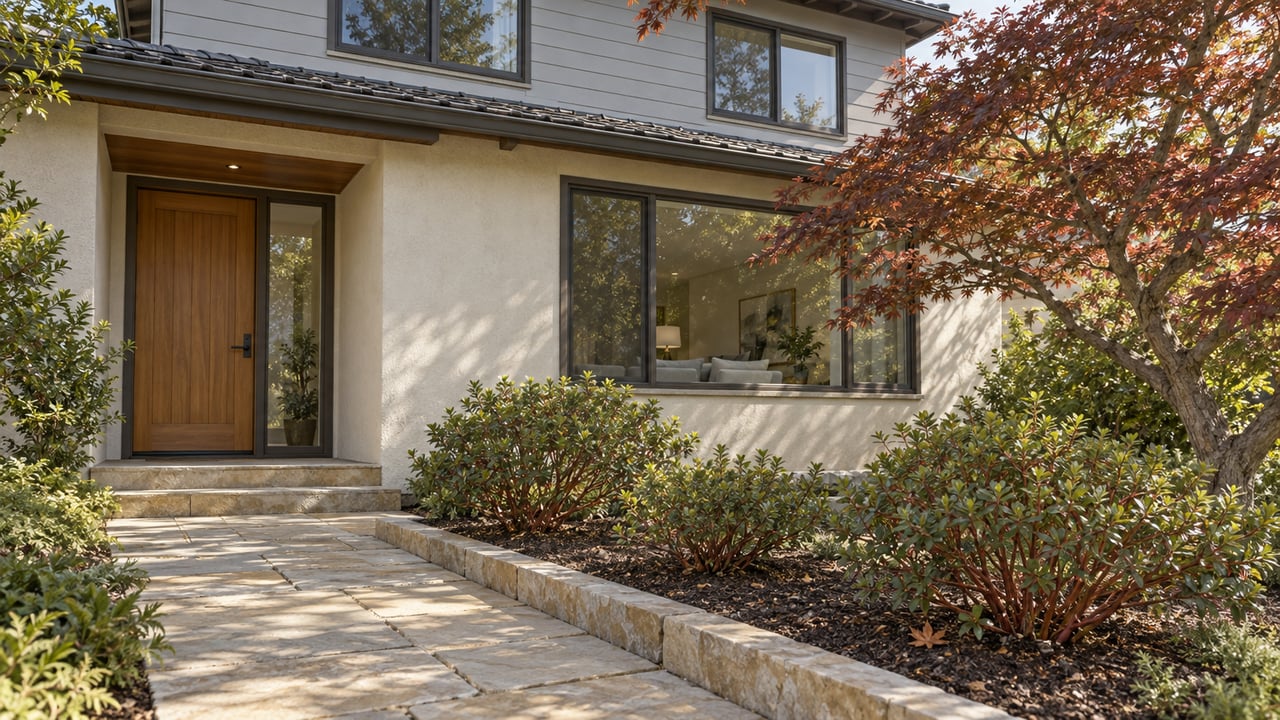
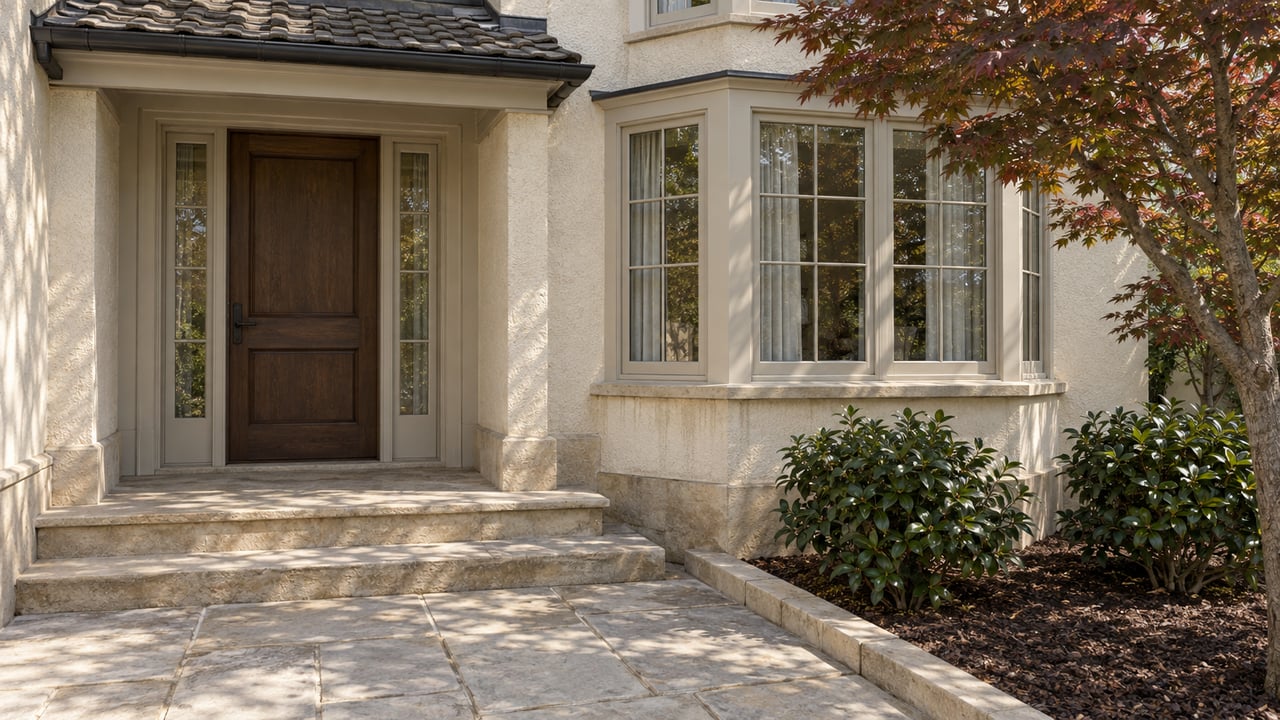
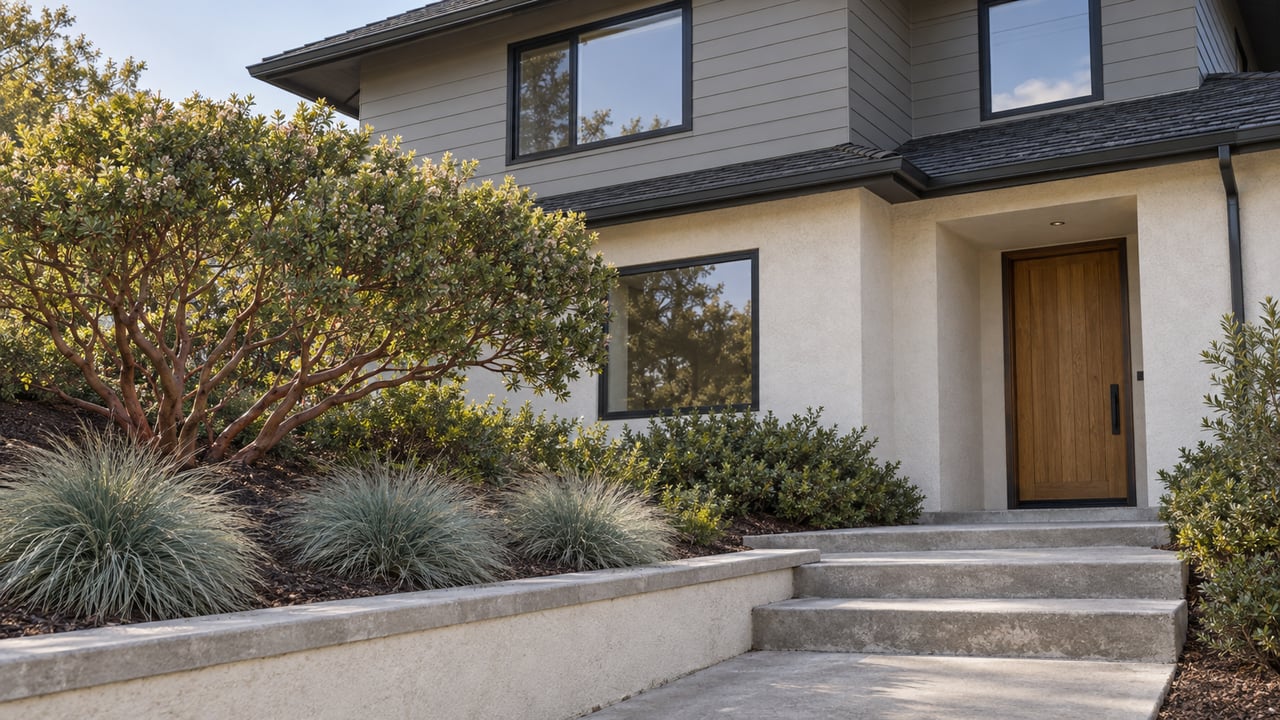
Burlingame often feels more visually uniform, and local design rules help explain why. The city requires design review for new houses and most additions, with review based on the style of the existing home and surrounding neighborhood.
In San Mateo, single-family design guidelines focus more on respecting established views and minimizing blockage from additions. In practical terms, that often means San Mateo can feel more varied from one neighborhood to the next, while Burlingame can come across as more polished and consistent block by block.
For some buyers, that curated feel is a major plus. For others, the broader range of neighborhood character in San Mateo creates more options and more chances to find the right fit.
Downtown Life and Everyday Convenience
Burlingame’s Boutique Downtown
Burlingame Avenue is the city’s liveliest retail district, and the city describes it as a pedestrian-friendly area with hundreds of stores and restaurants. Broadway offers a quieter, smaller-scale shopping street, which gives Burlingame two distinct commercial districts with a more intimate feel.
Burlingame’s downtown grew from the railroad station in the early 1900s, and that history still shapes how the area feels today. The result is a compact, old-railroad-town pattern that many buyers find charming and easy to navigate.
San Mateo’s Larger Urban Core
Downtown San Mateo is broader in scale. The downtown district runs from El Camino Real to El Dorado and from 9th Avenue to Tilton Avenue, and the area still includes historic buildings from the 1890s through the 1930s.
San Mateo also has nearly 3,000 public parking spaces in the downtown district, along with city garages and lots. That larger parking supply supports a busier, more urban commercial center that can feel more utilitarian but also more expansive in day-to-day use.
Which Downtown Fits You Best?
If you want a smaller, boutique-style downtown with a compact core, Burlingame may feel like the better match. If you prefer a larger downtown with more scale, more parking, and a wider urban footprint, San Mateo may be the stronger fit.
Commuting and Transit Access
Both Burlingame and San Mateo are in Caltrain Zone 2, which makes each city a solid option for many Peninsula commuters. That shared transit positioning keeps both places competitive for buyers who want rail access without moving farther north or south.
Burlingame’s downtown is closely tied to the Burlingame station, which adds to the city’s compact feel. In San Mateo, the station at 385 First Avenue includes city-provided parking, a monthly parking option, and SamTrans connections.
San Mateo’s planning documents identify Downtown, Hayward Park, and Hillsdale as major transit-oriented growth areas. If you want to search around multiple rail-adjacent districts rather than one main core, San Mateo often gives you more options.
Walkability is fairly close between the two cities. Redfin’s city guides list Burlingame with a Walk Score of 70 and San Mateo at 68, so both can support a car-light lifestyle in the right location.
Parks, Bayfront Access, and Outdoor Time
Burlingame’s Bayfront Focus
Burlingame’s bayfront leans toward sports fields, trails, and future planning. Bayside Fields includes soccer, baseball, a dog park, and trails that connect to the Bay Trail system.
The city is also advancing a Bayfront Specific Plan intended to shape the area as a regional recreation and business destination. Buyers looking near the bayfront should also know that the city notes this low-lying area is exposed to flood risk, which can be an important factor when evaluating location and long-term planning.
San Mateo’s Broader Shoreline Network
San Mateo offers a larger established recreation system. The city says it has roughly 200 acres of open space, more than 13 neighborhood parks, 9 community parks, 6 recreation and community centers, 2 pools, and a shoreline regional park system.
Places like Seal Point Park, Ryder Park, Parkside Aquatic Park, and the city’s trail network highlight walking, cycling, birding, Bay Trail access, lagoon recreation, and waterfront views. Coyote Point Recreation Area also adds a major county-run bayfront park experience nearby.
Lifestyle Takeaway
If your ideal weekend includes a compact downtown and a polished residential setting, Burlingame may check more boxes. If you want more shoreline recreation, a wider park network, and more variety in how you spend outdoor time, San Mateo may offer more flexibility.
Who Each City Often Fits Best
Burlingame often appeals to buyers who want a premium Peninsula setting and are comfortable paying more for a mostly detached-home environment near a boutique downtown. It can be a strong fit if you value a more curated residential feel and want a compact city experience.
San Mateo often appeals to buyers who want more budget flexibility, more housing-type variety, and more transit- or shoreline-linked lifestyle options. It can be especially appealing if you want to compare several neighborhood types without leaving the same Peninsula corridor.
Neither city is universally better. The right choice depends on how you weigh price, home type, commute patterns, downtown preferences, and access to parks or bayfront recreation.
How to Narrow Your Decision
If you are deciding between Burlingame and San Mateo, it helps to compare them in a structured way:
- Set your real budget range, not just your target price
- Decide whether single-family homes or attached options are your priority
- Identify how important a compact downtown is to your daily routine
- Compare rail access and station-area options based on your commute
- Think about whether you want boutique charm or broader neighborhood variety
- Review bayfront or shoreline location tradeoffs, including flood-related considerations where relevant
A focused home search can quickly reveal which city feels right once you walk the neighborhoods and compare available homes in person.
Choosing your Peninsula home base is about more than picking a city on a map. It is about finding the place that matches your budget, pace, and long-term goals. If you want a thoughtful, local perspective as you compare Burlingame and San Mateo single-family homes, Andrew Klink can help you evaluate the tradeoffs and move forward with confidence.
FAQs
What is the main price difference between Burlingame and San Mateo homes?
- Burlingame is materially more expensive based on spring 2026 median sale prices, with a citywide median of $2,775,000 versus $1,687,500 in San Mateo.
Which city offers more housing variety, Burlingame or San Mateo?
- San Mateo generally offers more housing-type variety because its planning framework directs growth to multiple mixed-use and transit-oriented areas, including Downtown, Hayward Park, Hillsdale, and El Camino Real.
Is Burlingame or San Mateo better for commuting by Caltrain?
- Both cities are in Caltrain Zone 2, but San Mateo offers more transit-oriented growth areas, while Burlingame has a more compact downtown centered around its station.
How do downtown Burlingame and downtown San Mateo compare?
- Burlingame’s downtown is more compact and boutique in feel, while downtown San Mateo is larger in scale, has more parking capacity, and functions as a broader urban core.
Which city has better bayfront parks and outdoor access, Burlingame or San Mateo?
- San Mateo has a larger established shoreline recreation network, while Burlingame’s bayfront is centered more on sports fields, trails, and future bayfront planning.
Should buyers consider flood risk near the Burlingame bayfront?
- Yes. Burlingame’s Sea Level Rise information notes that the bayfront is low-lying and exposed to flood risk, so that should be part of your evaluation for bayfront-adjacent locations.