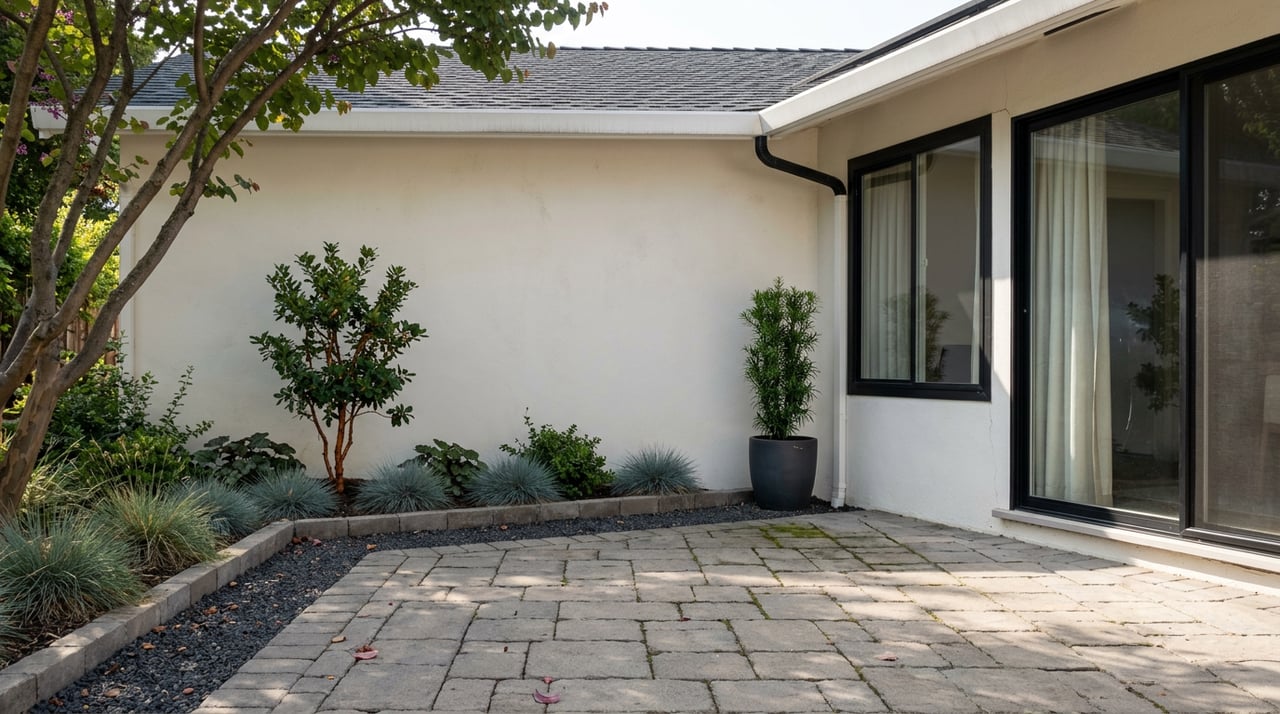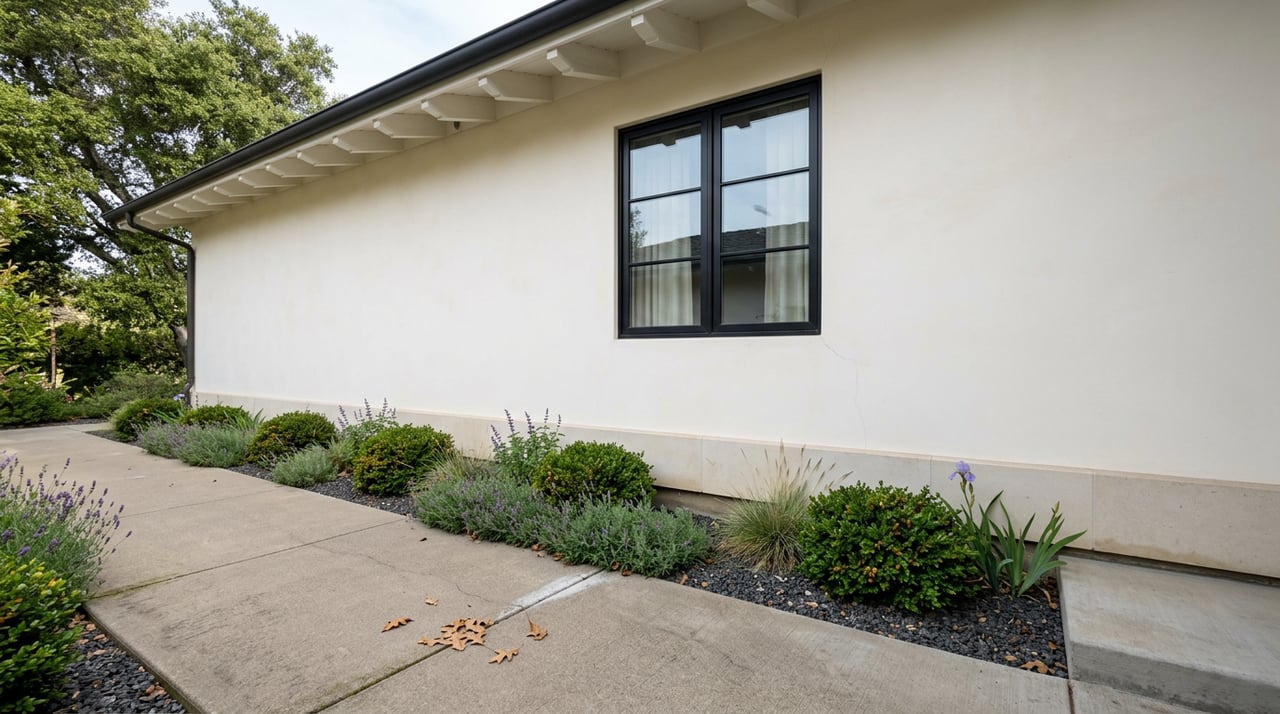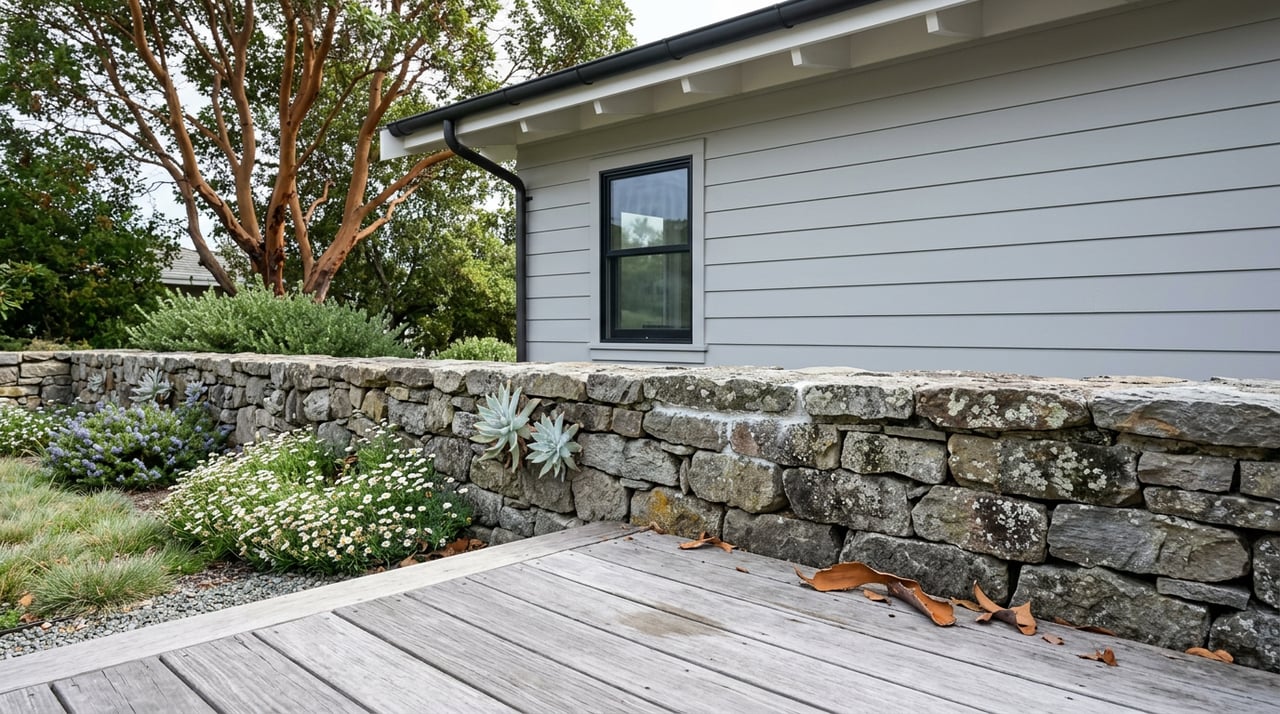
How close is your house to the ocean, measured in feet rather than blocks? In Pacifica this year, that single number can be the difference between a remodel that clears the city planning counter in a few weeks and one that spends a year and a half in front of a state agency in Half Moon Bay or San Francisco.
I've spent enough time walking Pacifica listings with sellers and their contractors to know that most people assume permit friction scales with the size of the project. Bigger addition, bigger headache. That's not how it actually works here. Under the city's own coastal zone ordinance, a homeowner can add a modest amount of square footage and sail through as exempt, or a neighbor two doors down can propose the identical project and land in a review process that runs through Sacramento's coastal agency instead of city hall. The difference isn't the scope of the work. It's the distance from a bluff.
The Line in the Ordinance Nobody Reads Until They Need It
Pacifica's Coastal Zone Combining District ordinance (Article 43 of the municipal code) carves out an exemption for small home improvements. If your project increases the building's height, bulk, or floor area by less than 10 percent, and it's a normal single-family improvement like a garage, a fence, a pool, or landscaping, you generally don't need a Coastal Development Permit from the city.
That exemption evaporates the moment your home sits on, abuts, or comes within 50 feet of a coastal bluff, or is adjacent to a beach or wetland. At that point, even a small improvement triggers the same permit review as a much larger project. The ordinance spells this out directly: improvements to a structure on or near a bluff, beach, or wetland require a permit specifically because of the risk of environmental impact, regardless of how minor the work looks on paper.
Practically, this means the geography of your lot matters more than your contractor's invoice. A kitchen bump-out three streets back from Highway 1 might be a two-week permit. The same bump-out on a lot that meets the 50-foot bluff test can mean geotechnical reports, public notice periods, and a review timeline measured in months, not weeks.
The Same City, Two Different Rulebooks Right Now
Here's the part that surprises even people who've lived in Pacifica for years. Right now, in August 2026, different parts of the same coastal zone are operating under different planning documents.
Pacifica's civic core, the Sharp Park neighborhood that's home to the Pacifica Pier and many of the city's small businesses, has had an adopted Sharp Park Specific Plan since the city council approved it in August 2022. But that plan still hasn't received California Coastal Commission certification. Until it does, it isn't in effect within the coastal zone, and development there continues to be governed by the older, uncertified framework rather than the newer plan the city already voted for.
Meanwhile, a few blocks away, Rockaway Beach and West Sharp Park are living under a plan that's very much in effect. Those two neighborhoods are the ones the city and the Coastal Commission agreed, as of last year, to treat differently from the rest of the coastline.
What Changed in May 2025, and Why It Landed Specifically on Rockaway and West Sharp Park
Pacifica's original Local Coastal Program dated to 1980. For 45 years, the city's coastal permitting ran on planning assumptions from before most of the science on sea level rise and shoreline erosion existed. That changed on May 9, 2025, when the California Coastal Commission voted 8-1 to certify Pacifica's updated Local Coastal Land Use Plan.
The headline of that update is a new designation called Special Shoreline Resiliency Areas, or SSRAs. The SSRA framework allows continued and expanded seawall armoring, specifically in Rockaway Beach and West Sharp Park, for an interim 20-year period while the city works on longer-term adaptation planning. Roughly a third of Pacifica's shoreline, close to two miles of it, was already armored before this update. The new plan gives property owners and the city a defined runway to maintain and reinforce that armoring in those two named areas rather than defaulting to the stricter no-new-armoring standard the Coastal Act generally applies elsewhere.
For anyone weighing a purchase, sale, or remodel on a bluff-adjacent or beach-adjacent lot in Rockaway Beach or West Sharp Park, this is the plan your project gets measured against today. For anyone in Sharp Park's civic core, the plan on paper isn't the plan in force, because certification is still pending.
A Wrinkle From the California Supreme Court
There's a second thread worth understanding, even though it didn't originate in Pacifica. On April 23, 2026, the California Supreme Court issued a unanimous ruling in Shear Development Co. v. California Coastal Commission, finding that the Commission had exceeded its authority when it overrode a county-approved building permit. Pacific Legal Foundation, which represented the property owner, called it one of the most significant checks on the Commission's power since Nollan v. California Coastal Commission, a case decided nearly four decades earlier.
That case came out of San Luis Obispo County, not San Mateo County, so it doesn't rewrite Pacifica's rules directly. What it does is narrow the Commission's ability to reach in and override a decision your local government has already made, which matters if your project ever ends up in an appeal. It's also a reminder that this whole area of law is moving, not settled. Just months later, in July 2026, the city applied for and received an emergency permit from the Coastal Commission to close the Linda Mar Beach parking lots overnight, evidence that the Commission remains an active, working part of how Pacifica gets things done on the ground, even as its statewide authority is being tested in court.
The Sequence I Recommend Before You List
If you're planning a remodel on a Pacifica property anywhere near the coastal zone, and especially if you're doing it with an eye toward selling in the next year or two, the order of operations matters more than the scope of the project.
- Find out early whether your lot falls within 50 feet of a coastal bluff or abuts a beach or wetland. This is a factual question your contractor or a land surveyor can answer, and it determines which permit track you're on before you spend money on architectural plans.
- If you're in Rockaway Beach or West Sharp Park, ask specifically how the new Special Shoreline Resiliency Area provisions apply to your parcel, since the rules there changed materially in 2025.
- If you're in Sharp Park's civic core, don't assume the adopted Specific Plan governs your project until the city confirms it has Coastal Commission certification in hand.
- Schedule a pre-application meeting with city planning staff before committing to final architectural plans. Catching a bluff-proximity issue or an SSRA question early saves months compared to discovering it after submittal.
- If your project involves $50,000 or more in work, or adds plumbing fixtures or changes water service, factor in the city's separate sewer lateral requirement, since that's a distinct pre-listing item that surfaces around the same time as coastal permitting questions.
- Sequence any required permit work before you list, not during a buyer's inspection contingency. A pending Coastal Development Permit is a much easier conversation with a buyer's agent when it's already moving than when it's a surprise that surfaces during escrow.
Frequently Asked Questions
How do I know if my Pacifica home is within 50 feet of a coastal bluff? The city's Coastal Zone Combining District ordinance uses that 50-foot measurement as one of the triggers requiring a Coastal Development Permit for even minor improvements. A licensed surveyor or the city's planning counter can confirm your parcel's distance from a mapped bluff edge.
Does the coastal permit requirement apply to interior-only remodels? The ordinance is built around changes to height, bulk, and floor area, along with exterior-facing work. Interior-only projects that don't touch those measurements are more likely to fall under the general exemption, but proximity to a bluff, beach, or wetland can still change the analysis, so it's worth confirming with the city before assuming an interior project is automatically exempt.
What's different about Rockaway Beach and West Sharp Park specifically? Those two neighborhoods are the named Special Shoreline Resiliency Areas created by the May 2025 certified plan, meaning they now operate under a 20-year framework for continued shoreline armoring that doesn't apply the same way elsewhere in the city's coastal zone.
Pacifica's coastal permitting picture has moved more in the past 15 months than it did in the previous 45 years, and it's still moving. If you're weighing a remodel, a sale, or a purchase on a coastal-zone lot here, I'd rather walk the specifics of your parcel with you before you spend money on plans than after. Andrew Klink works this stretch of the coastline block by block, and I'm happy to help you figure out which rulebook actually applies to your address. Schedule a complimentary Peninsula market consultation whenever you're ready to talk it through.