Buying your first single-family home in San Bruno can feel like jumping onto a moving train. Prices are high, good homes move fast, and it is easy to wonder whether you should keep renting, stretch your budget, or look at nearby cities instead. The good news is that if you understand how the San Bruno market works, you can make smarter decisions and avoid costly surprises. Let’s dive in.
Why San Bruno draws first-time buyers
San Bruno offers something many Peninsula buyers want but struggle to find in one place: access, variety, and a price point that can be more approachable than some nearby cities. It sits in a practical middle ground, often coming in below San Mateo and far below Burlingame on current median sale price comparisons.
Commute flexibility is also a major draw. San Bruno Station is served by BART on the Antioch to SFIA or Millbrae and Richmond to Millbrae or SFIA lines, and Caltrain connections page information lists local SamTrans connections for San Bruno as well. If you need transit options beyond just driving, that can make a real difference in day-to-day life.
What the San Bruno market looks like
San Bruno is not an entry-level market in the usual sense. In March 2026, the median sale price was $1.4 million, homes sold in a median of 9 days, and buyers saw about 2 offers on average.
That pace matters if you are buying your first house. In a market like this, you often do not have weeks to think through a decision once the right home appears. Hot homes can sell about 12% above list price and go pending in around 7 days.
Recent closings show how wide the budget range can be. A 2-bedroom, 1-bath home closed at $900,000, another 2-bedroom, 1-bath at $1.25 million, a 3-bedroom, 3-bath at $1.45 million, and a 4-bedroom, 3-bath at $1.645 million. That tells you a realistic single-family budget often needs to land around or above the city median, depending on the home’s size, condition, and location.
What kind of homes you’ll find
San Bruno’s single-family housing stock reflects several different building eras. City history notes that housing expanded after the 1906 earthquake, and a major boom in the 1940s through 1960s reshaped much of the city.
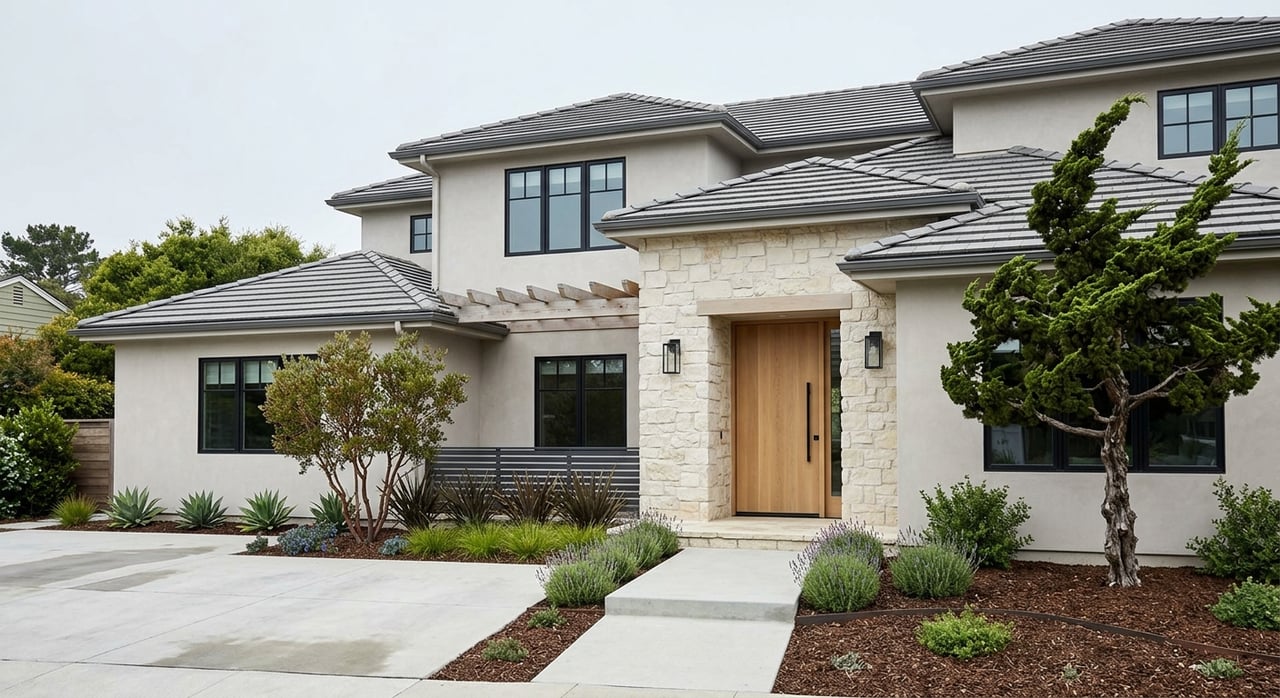
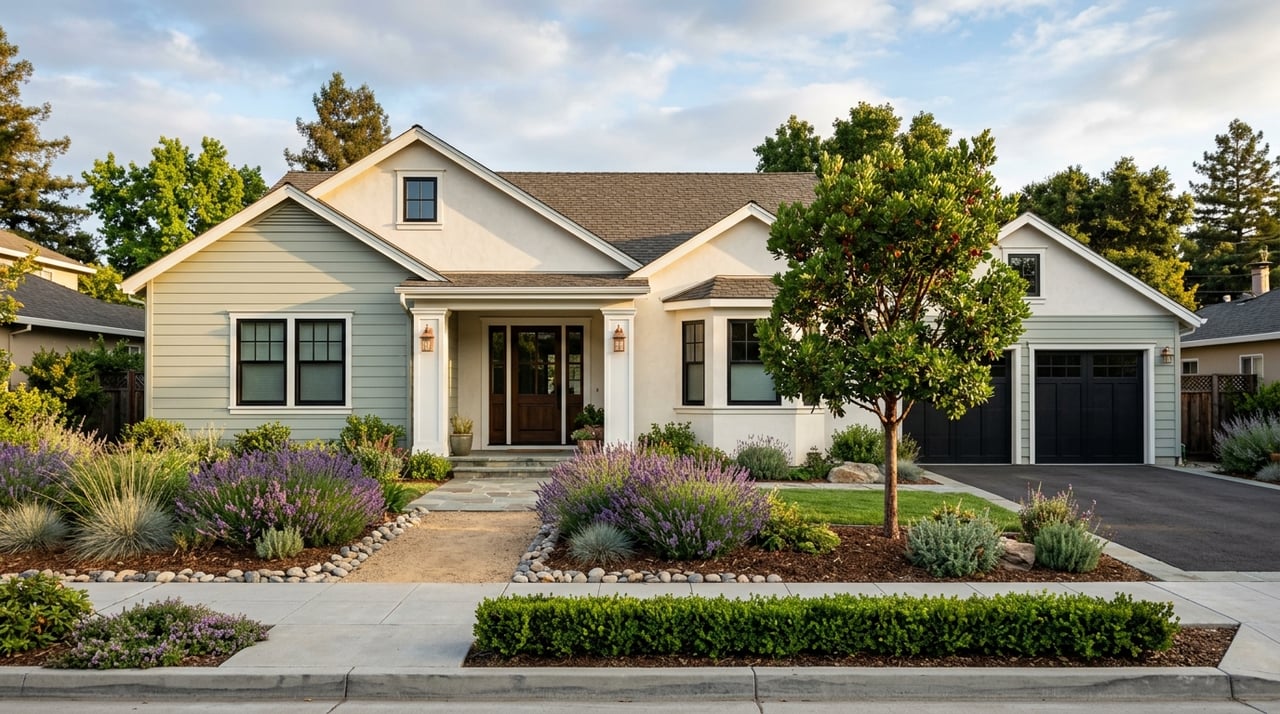
For you as a buyer, that usually means a mix of older modest homes and mid-century or postwar single-family houses, rather than a market filled with mostly new construction. You may see homes with solid layouts and good lot use, but also older systems, dated finishes, or remodeling work that needs a closer look.
If you are considering a fixer or thinking ahead to a future addition, San Bruno’s Residential Design Guidelines matter. The city says exterior changes to single-family and two-family homes that need discretionary approval or a building permit must follow those guidelines, and they are used when remodels, expansions, and new single-family construction are reviewed.
How to set a realistic budget
One of the biggest mistakes first-time buyers make is focusing only on the purchase price. In San Bruno, you need to think about both your upfront costs and your full monthly payment.
Your monthly payment may include:
- Principal and interest
- Property taxes
- Homeowners insurance
- Mortgage insurance, if applicable
- Supplemental insurance such as flood insurance, if applicable
- HOA dues, if applicable
In California, property taxes are paid twice a year. The California Department of Real Estate also notes that a purchase can trigger a one-time supplemental tax bill because of Proposition 13 reassessment. If you are stretching to buy, planning for that extra bill is important.
Why preapproval matters early
In San Bruno, preapproval is not something to do after you start touring seriously. It is part of your starting line.
A preapproval letter is a lender’s tentative commitment up to a certain loan amount, and sellers often expect to see it with an offer. It also commonly expires after 30 to 60 days, so timing matters.
Just as important, getting preapproved early can uncover documentation or income issues while you still have time to fix them. In a fast market, you do not want your financing questions to show up right when you are trying to compete for a home.
How to compete without overreaching
A competitive San Bruno offer usually needs three things: speed, clarity, and realism. Because homes move quickly and often attract multiple offers, your offer should be clean, complete, and priced with the market in mind.
That does not mean you should waive every protection. A smarter approach is to keep only the contingencies you truly need and make those timelines as short as you can safely manage.
For many first-time buyers, that means focusing on:
- A complete, current preapproval package
- A realistic offer price based on recent comparable sales
- An inspection contingency if the property condition is uncertain
- An appraisal strategy in case value comes in low
- Contingency periods short enough to stay competitive, but not reckless
A simple rule is this: waive only what you can afford to lose. In a fast market, confidence helps, but so does protecting yourself from risks that could damage your finances after closing.
Inspections: your best tool for finding problems
For a first-time buyer, the inspection is one of the most important parts of the process. It is your main opportunity to identify physical issues before the sale becomes final.
Consumer guidance cited in the research recommends scheduling an independent inspection as soon as possible, attending if you can, and using an inspection contingency so you can negotiate or cancel if serious flaws appear. The California Department of Real Estate also advises including a home inspection contingency in the offer.
This matters even more in a market with many older homes. A house can look move-in ready and still have deferred maintenance, aging components, or repair needs that affect your true budget.
Appraisals: different from inspections
An appraisal and an inspection are not the same thing. The appraisal is an independent opinion of value that lenders use to help decide how much they will lend, based on similar nearby sales.
If the appraisal comes in below your contract price, you may need to renegotiate or review the appraiser’s work more closely. In a competitive market where some homes sell above list price, this is not just a technical step. It can affect how much cash you need to bring in order to close.
Do not skip local hazard review
San Bruno buyers should pay attention to local hazard disclosures, especially fire hazard mapping. The city adopted updated Fire Hazard Severity Zone maps on July 10, 2025, and says some parcels now fall in Moderate, High, or Very High zones.
The city also states that sellers must disclose Fire Hazard Severity Zone status. For new construction and qualifying alterations in mapped areas, WUI and Part 7 standards and defensible-space rules may apply.
For you, the takeaway is simple: if you are buying a home with future renovation plans, or you are comparing two homes in different parts of the city, ask how hazard-zone status could affect disclosure, insurance, or future project planning.
How San Bruno compares nearby
If San Bruno feels expensive, you are not imagining it. But within the Peninsula, it can still represent a practical middle option.
Here is a directional snapshot using March 2026 citywide median sale prices across all home types:
| City | Median Sale Price | Market Pace |
|---|---|---|
| Daly City | $1,160,444 | About 3 offers, around 17 days |
| South San Francisco | $1,317,500 | About 5 offers, around 13 days |
| San Bruno | $1,400,000 | About 2 offers, around 9 days |
| San Mateo | $1,650,000 | About 4 offers, around 13 days |
| Burlingame | $2,775,000 | Premium pricing, about 6% above list |
These figures are best used as comparison points, not exact detached-home budgets. Still, they help show why many first-time single-family buyers give San Bruno a serious look. It can offer a better price position than San Mateo or Burlingame while still giving you strong transit flexibility.
Best mindset for first-time buyers
If you are shopping for your first single-family home in San Bruno, the goal is not to win every house. The goal is to buy the right house with a plan you can live with.
That means understanding your true budget, moving quickly when the numbers make sense, and doing careful homework on condition, value, and local rules. In a market this competitive, preparation often matters more than perfection.
With the right guidance, San Bruno can be a smart place to plant roots on the Peninsula. It is competitive, yes, but it is also a city where a well-prepared buyer can still find real long-term value in the single-family market.
If you are thinking about buying in San Bruno and want a practical, data-driven plan for your budget, offer strategy, and home search, Andrew Klink can help you navigate the Peninsula with a hands-on, thoughtful approach.
FAQs
What is a realistic budget for a first-time single-family buyer in San Bruno?
- Recent San Bruno closings ranged from about $900,000 for a 2-bedroom, 1-bath home to $1.645 million for a 4-bedroom, 3-bath home, with a March 2026 median sale price of $1.4 million.
How fast do homes sell in San Bruno?
- In March 2026, San Bruno homes sold in a median of 9 days, and hot homes could go pending in around 7 days.
How many offers should buyers expect on San Bruno homes?
- San Bruno homes saw about 2 offers on average, though especially desirable homes can attract stronger competition.
Why is preapproval important for buying a home in San Bruno?
- Preapproval shows sellers that a lender has tentatively approved you up to a certain loan amount, and it helps you spot financing issues before you are competing in a fast-moving market.
What should first-time buyers know about home inspections in San Bruno?
- A home inspection helps you identify physical problems before the sale is final, and an inspection contingency can give you room to negotiate or cancel if serious issues are found.
What is the difference between an appraisal and an inspection for a San Bruno home purchase?
- An inspection looks for physical issues with the home, while an appraisal is an independent opinion of value that lenders use to decide how much they will lend.
Are fire hazard zones something buyers should review in San Bruno?
- Yes. San Bruno adopted updated Fire Hazard Severity Zone maps in 2025, some parcels now fall in mapped hazard zones, and sellers are required to disclose that status.
Is San Bruno more affordable than other Peninsula cities?
- Based on March 2026 citywide medians, San Bruno was priced above Daly City and South San Francisco but below San Mateo and far below Burlingame, making it a middle-ground option on the Peninsula.